

Buying in the Catskills — What Every Buyer Should Know About This Market
Buying in the Catskills — What Every Buyer Should Know About This Market
Thinking about buying a home in the Catskills? Here's what makes this market different — and what smart buyers need to understand before they start their search.
This Market Has Its Own Logic
If you’ve bought a home before—a primary residence, a city condo, something in the suburbs—much of the purchase process here will feel familiar. The steps are roughly the same. What’s different is the backdrop, and misreading that difference is one of the main reasons buyers burn weekends, miss opportunities, or walk away frustrated.
The Catskills second‑home and vacation market runs on its own logic. Inventory is limited and can move in bursts rather than predictable patterns. Properties are truly one‑of‑a‑kind—no two parcels, houses, or seller situations are identical. And buyer decisions are driven as much by lifestyle and emotion as by return models and spreadsheets. Understanding that landscape early is one of the strongest advantages you can give yourself.
You're Competing With Buyers Just Like You
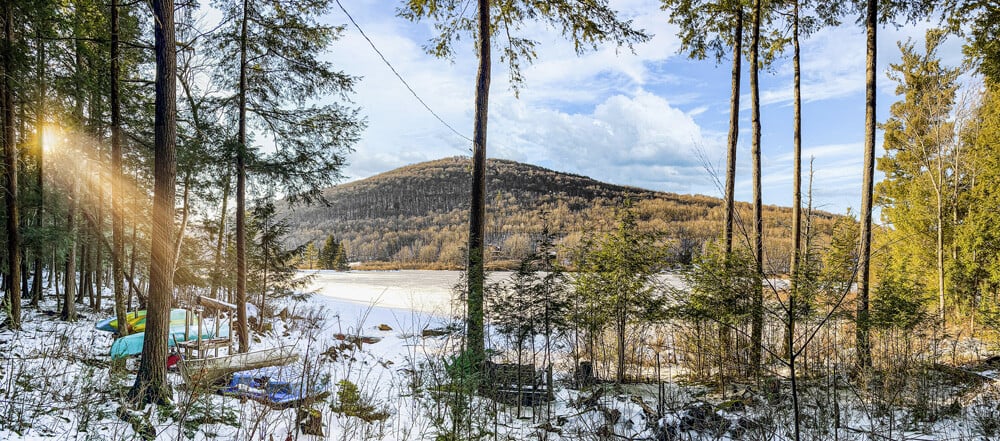
The buyer pool for Catskills homes is largely made up of people from New York City, the Hudson Valley, and the broader Northeast corridor. They are informed, motivated, and often deeply researched—many track closed sales, understand value, and are prepared to move when the right property surfaces.
That reality changes the playbook. The era of casually stumbling on an under‑the‑radar gem because you happened to drive past a sign is, for the most part, over. Today, the buyers who secure the strongest properties tend to have three things in place: a local agent who sees inventory before it hits the portals, a clear sense of priorities, and a financial picture that allows them to act decisively when something compelling appears.
Inventory Is Thin — and Clustered Seasonally
Unlike many suburban markets where new listings appear in a steady stream, Catskills inventory tends to arrive in waves. Sellers typically list when their properties show best—spring and early summer are historically the busiest, with a meaningful bump again in early fall. Winter inventory is leaner, but sellers who go live in December and January are often highly motivated and facing less competition. We regularly find some of the best values for our buyers in these colder months, while other agents are on pause and properties still need to sell.
The takeaway: when a home that fits your criteria comes on the market, it may not sit while you “think on it” for a week. Buyer activity builds through winter and accelerates into spring as city residents start planning their summers and long weekends. Buyers who are truly ready—financing in place, wish list clear, attorney identified—are the ones who move decisively and don’t lose homes they could have owned.
The Drive Is Part of the Decision
Buyers shopping in the Catskills care deeply about how long it takes to get there. Homes within roughly 2.5 to 3.5 hours of New York City often command a premium, and many buyers will happily trade square footage or acreage for a shorter, easier drive. That’s not just personal preference—it’s a real pricing force that shapes every submarket in the region.
Here, “location” means more than a town name on a portal. It’s drive time, cell service, distance to a ski mountain or trailhead, and how quickly you can get a good dinner or Saturday coffee on Main Street. Understanding exactly where a property sits on that map—and what that means for both value and day‑to‑day lifestyle—is where a local Catskills agent adds insight no algorithm can match.
The Post-Pandemic Market Has Reset — But It's Still a Real Market
The 2020–2022 run‑up in Catskills values was extraordinary by any standard. Homes that once might have sat for months were going under contract in days—often over asking, with escalation clauses and waived contingencies. That moment has passed.
Today’s market is more measured and rational. Buyers are better informed, have studied the comps, and are far less driven by FOMO. That doesn’t mean the market is soft: well‑priced, well‑presented properties still move, often quickly and with clean terms. What has changed is that precision matters. Overpriced listings linger; properties that are priced and positioned correctly still find their buyer.
For buyers, this reset is largely good news. There is once again room to negotiate, to ask hard questions, and to conduct thorough due diligence—all of which were difficult in the peak frenzy of 2021. The buyers who thrive now are the ones who are informed, prepared, and represented by an agent who understands where this market actually is today, not where it was during the pandemic surge.
Rural Properties Come With Rural Considerations
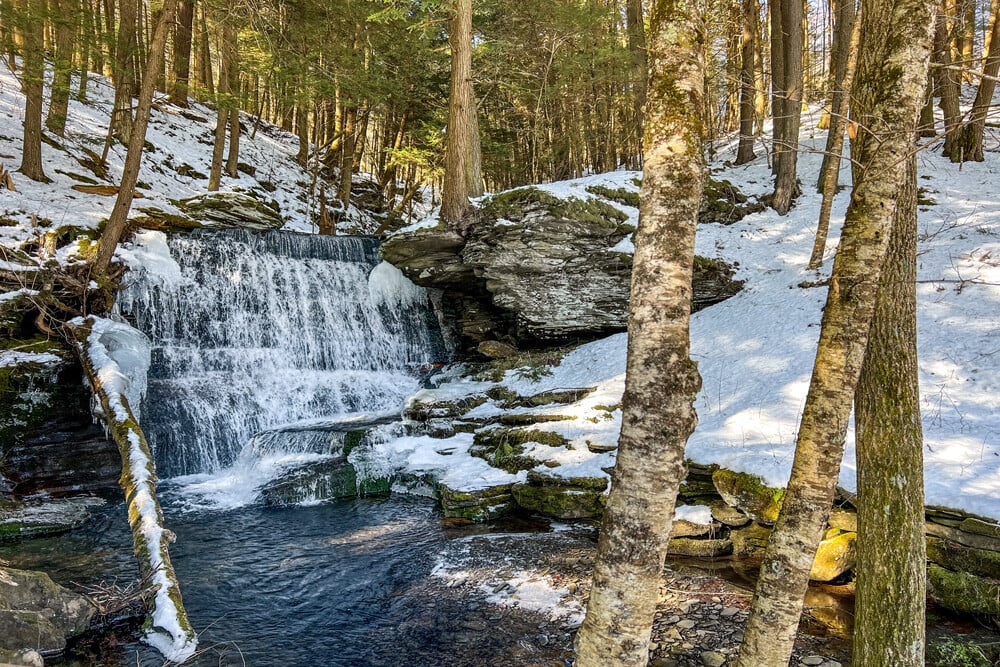
Most Catskills homes are not on municipal water and sewer. Private wells and septic systems are the norm—and they materially affect value, inspections, and long‑term ownership costs. Knowing how these systems work, what tests to order, and which red flags to watch for isn’t a “nice to have”; it’s a core part of buying wisely in this region.
Many western Catskills properties also sit within the New York City watershed—a protected system that supplies the city’s drinking water and comes with its own land‑use rules. Conservation easements, watershed regulations, zoning nuances, and short‑term rental permissions can all shape what a property can realistically do for you. None of these are reasons to avoid buying here; they are reasons to have an experienced local guide helping you interpret the fine print.
Next in the series: Finding the Right Property in the Catskills — How to Search Smarter
Part of the Catskill Buyer's Guide — a resource for buyers planning their move to the western Catskills.What This Means for You
Buying in the Catskills rewards preparation and local insight. The buyers who end up in the right home, at a fair price, with minimal drama are almost always the ones who arrive ready—financially, emotionally, and with a trusted team beside them.
That’s where we come in. We’ve worked for years in Delaware, Schoharie, Ulster, Greene, and Otsego counties and know this market from the inside out. If you’re starting to seriously consider a place here, the smartest first step is a real conversation about your goals and how you want Catskill country living to fit into your life.