

TWENTY YEARS AT THE DAIRY FEST
A tradition worth keeping — and a weekend worth planning for There are events you attend and events you return to. The Meredith Dairy Festival is...
3 min read
Drive almost any back road in the Western Catskills and you’ll see them. A clapboard farmhouse on the road, and then, set back behind it: a barn that isn’t really a barn anymore. A converted carriage house with new windows cut into the south wall. A purpose-built outbuilding with a kiln vent on the roof, or a roll-up door wide enough to wheel a sculpture out of. Sometimes it’s just a hand-painted sign at the end of a driveway — *Studio. Open Saturdays.* — and you know, without being told, that someone is in there working.
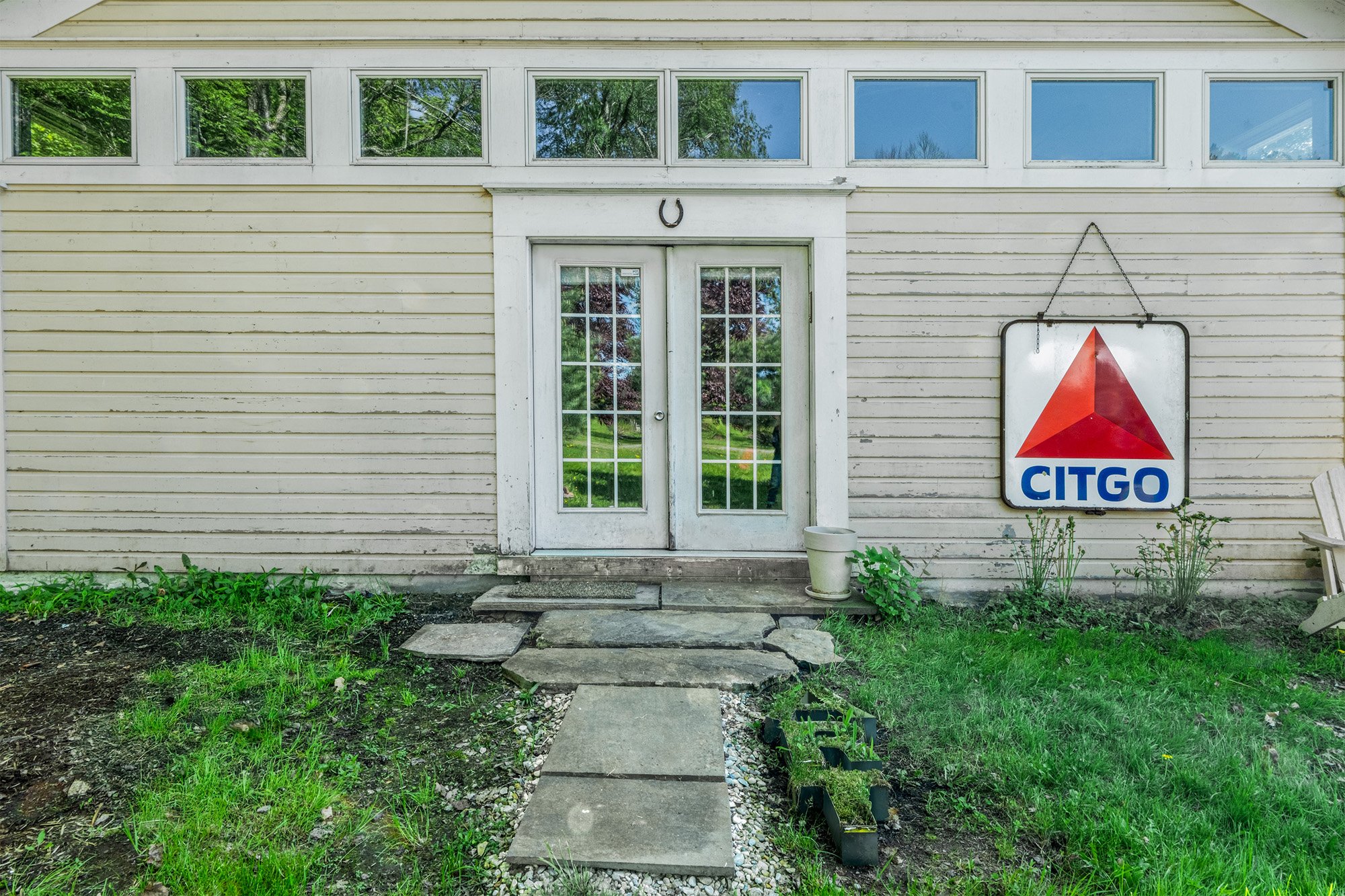 This is not new. It is one of the oldest patterns in this landscape, and it is worth paying attention to, because it is a quiet through-line that connects the Catskills of 1860 to the Catskills of today, and it shapes who keeps moving here.
The Western Catskills have never quite fit the template of the artists’ colony. Woodstock got that designation, and the Hudson River School got the paintings, and somewhere along the way the rest of the region settled into a less famous, more useful identity: a place where people who make things have always been able to afford the room to make them.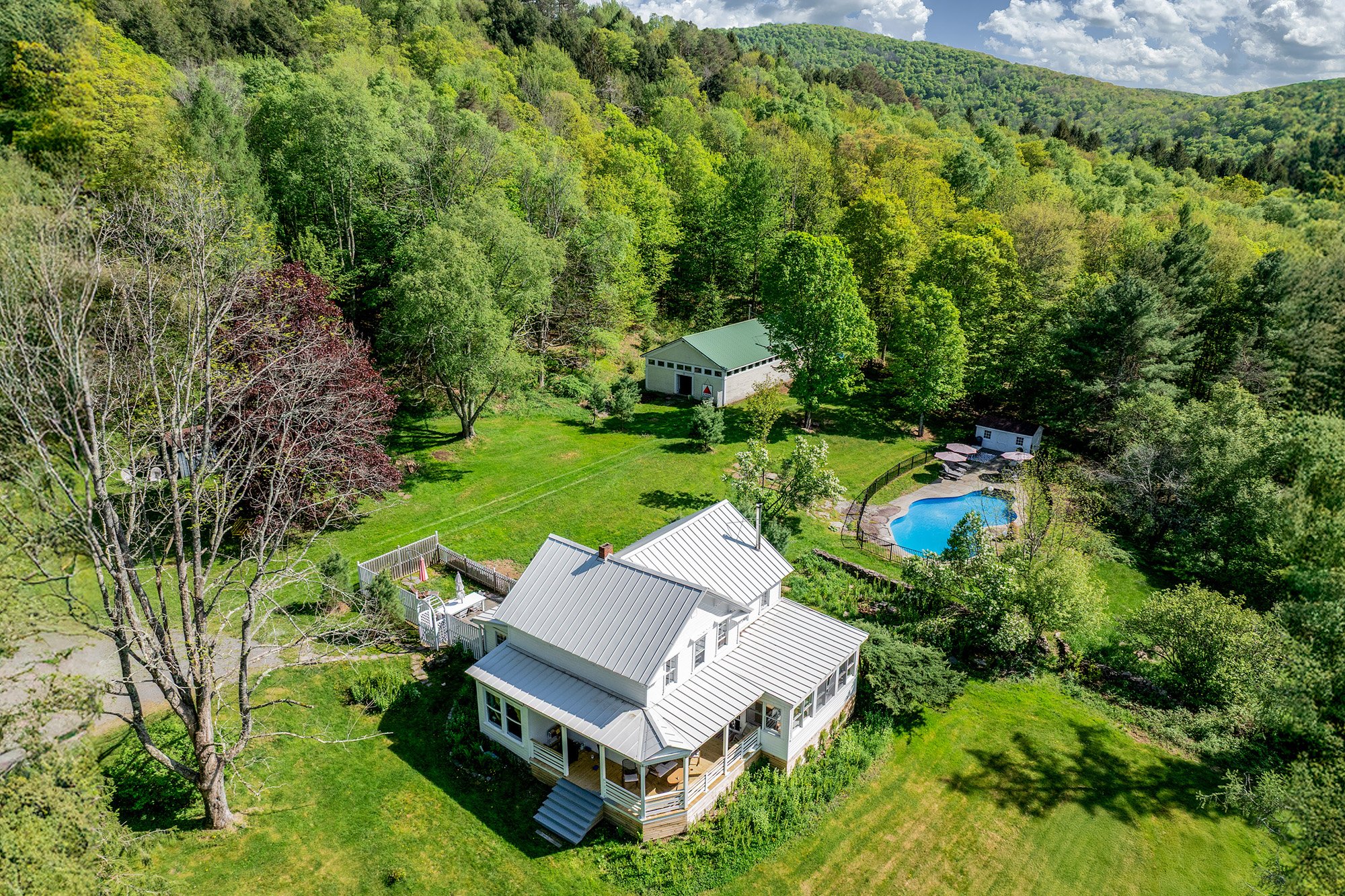
In the 1820s, Bovina was formed as a center of dairy production, and the men and women who built its barns were doing serious craft work — joinery, stonework, glazing — at a level our houses are still standing on. The 19th-century farmhouses of Delaware County were not, for the most part, built by professional architects. They were built by people who could make a building, the way other people in the same households could make a quilt, or a butter mold, or a chair. The work was the life.
When the dairy economy thinned out in the second half of the 20th century, what stayed behind were the bones of all of that — and the buildings. Big rooms. High ceilings. Outbuildings with their own electrical service. Stone foundations that had already been standing for a hundred years and were not going anywhere. They were waiting for the next round of people who needed room to work.
It turned out to be a lot of people.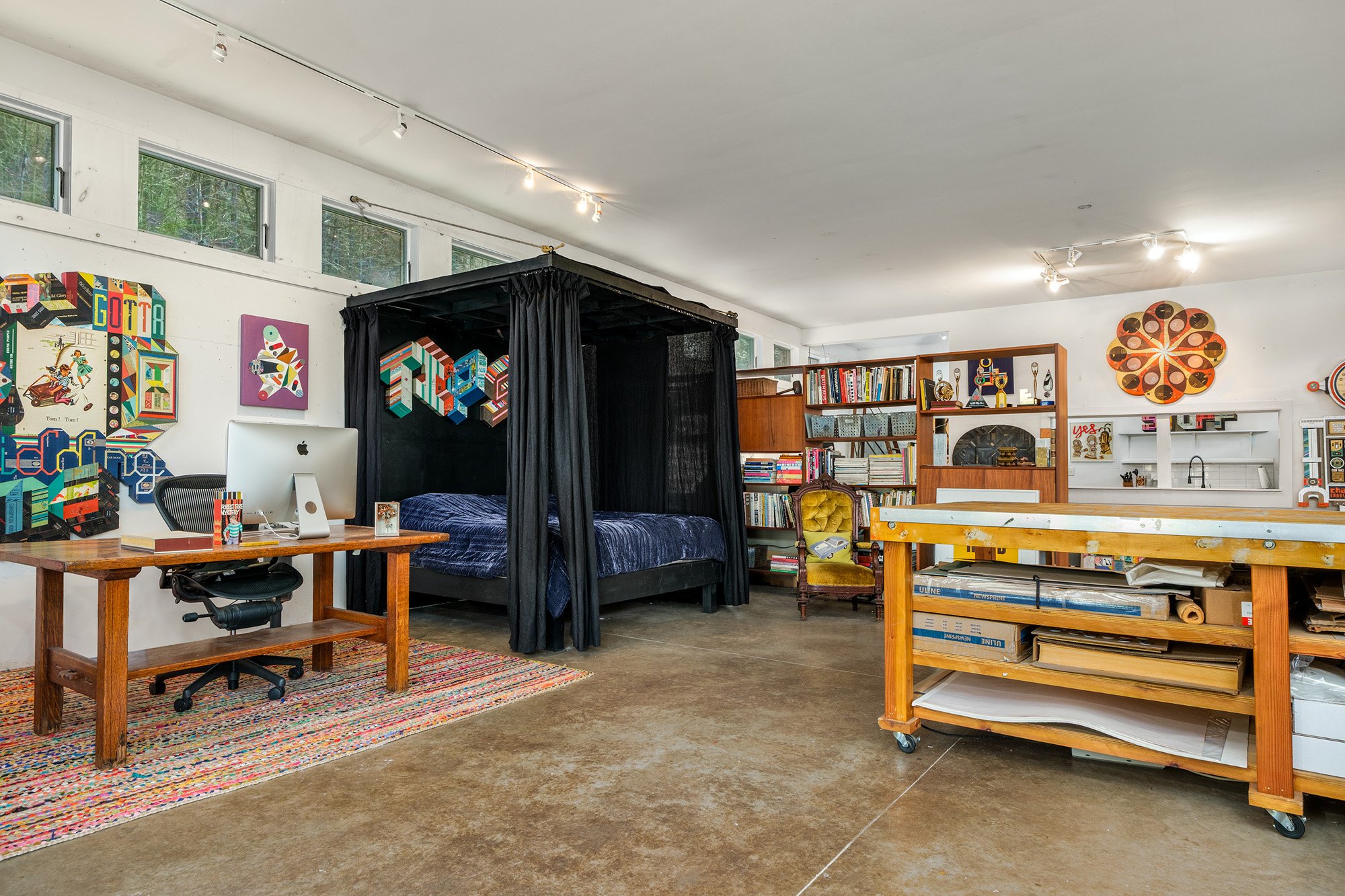
It was the painters and printmakers who showed up in the 1970s and 80s, found a farmhouse for a price that bordered on absurd, and converted the springhouse into a studio. It was the woodworkers and metal fabricators who realized you could run a shop out of a Delaware County barn for a fraction of what a Brooklyn lease cost, and ship anywhere. It was the writers, the textile artists, the documentary filmmakers, the potters — and, increasingly in the last decade, the chefs, the cidermakers, the herbalists, the small-press publishers, and the founders of one-person creative businesses that don’t have a standard job title yet.
What they have in common is that they all need two things at once: a place to live, and a separate place to work. Not a spare bedroom with a desk in it. A real workspace — with its own door, its own light, and ideally its own electrical panel.
This is the Catskills’ quiet specialty. Real estate built for people who do more than one thing.
We’re thinking about all of this because of [a listing we have just outside Bovina Center](https://catskillcountryliving.com/336cr5) — a fifteen-acre compound on Gin Hill with three separate buildings on it: an 1860 farmhouse, a guest cottage with a movement studio inside it, and a thirty-by-seventy purpose-built art studio with two-hundred-amp service, a workshop, a kitchenette, and a roll-up door. It is on the market at $940,000.
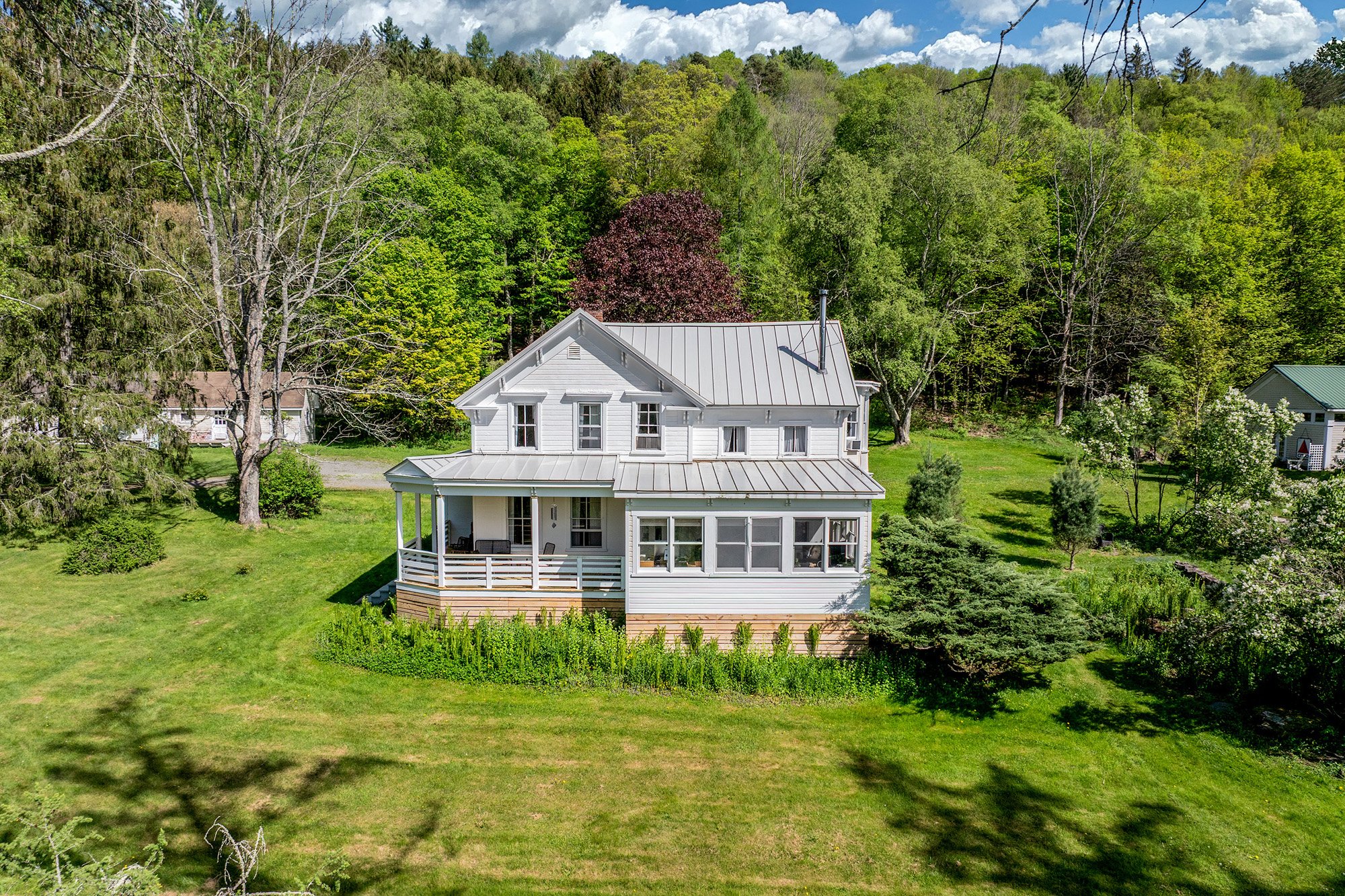 We mention it not to sell it here — the [property page](https://catskillcountryliving.com/336cr5) does that — but because it is the clearest illustration we’ve come across recently of the pattern we’re describing. Someone, at some point in the last thirty years, looked at a perfectly nice 1860 farmhouse and decided it wasn’t enough on its own. They wanted a building they could "work" in. So they built one. A serious one. The kind of building you put up when your work involves materials, tools, scale, and the occasional need to back a vehicle inside.
That’s the Catskill move. It’s been the Catskill move for close to two centuries.
If you are reading The Guide from somewhere else — and many of our readers are — and the question on your mind is whether the Western Catskills might fit the next chapter of your life, here is one filter we’d offer.
Ask yourself whether your version of “country living” includes a workspace.
Not a hobby corner. A *workspace*. A room or a building where the thing you most want to be doing — painting, writing, fabricating, designing, cooking for a small label, recording, restoring vintage motorcycles, running a consulting practice that involves video calls and concentration and a closed door — has somewhere proper to happen.
If the answer is yes, the Western Catskills are unusually well-suited to you, and the inventory reflects it. Compounds with separate studios. Farmhouses with detached barns waiting for a second life. Cottages with outbuildings. Twenty-acre parcels where you could build the studio you’ve been sketching for a decade.
The land has been making room for makers for a long time. It is one of the most consistent things about it.
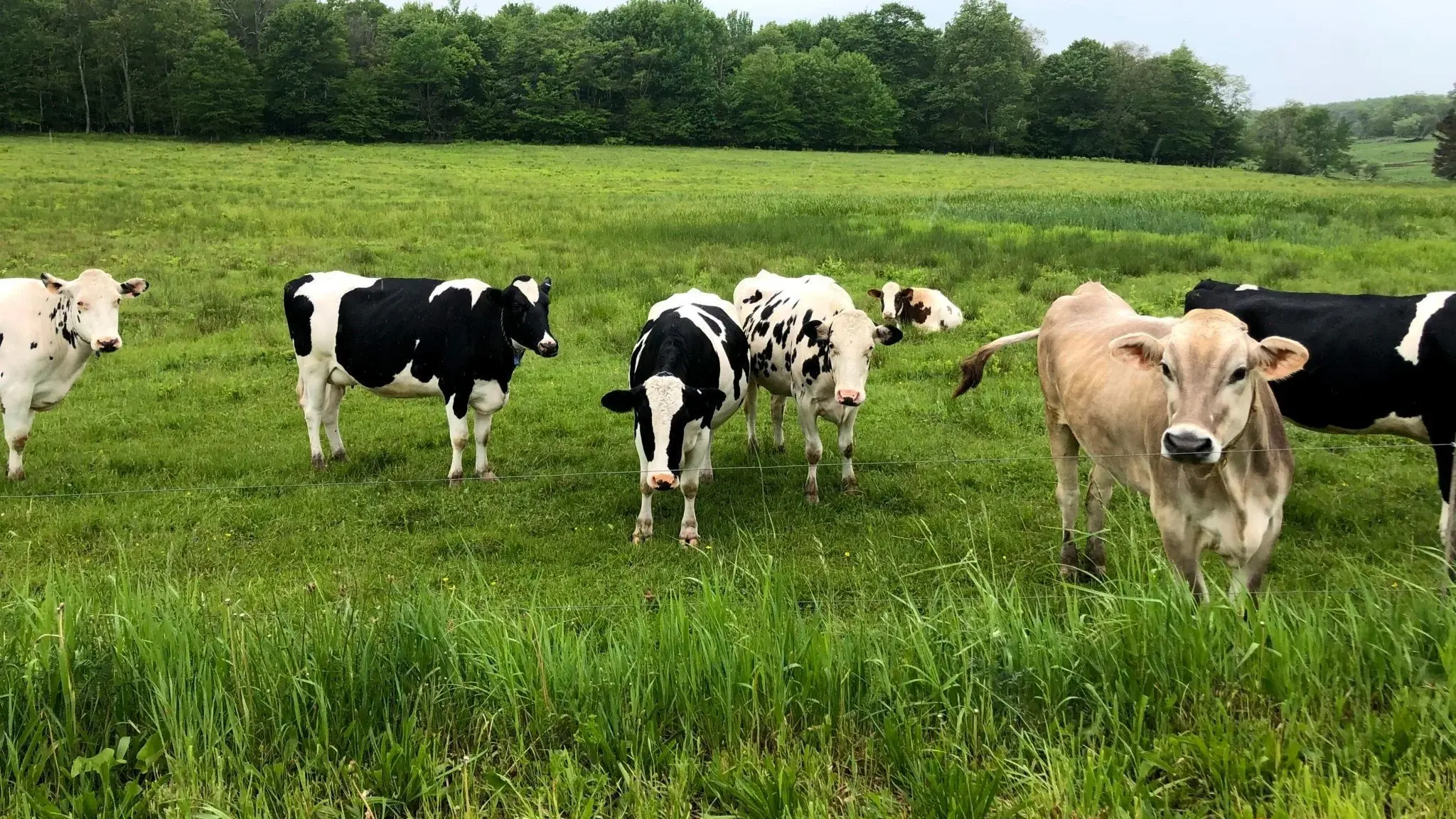
A tradition worth keeping — and a weekend worth planning for There are events you attend and events you return to. The Meredith Dairy Festival is...
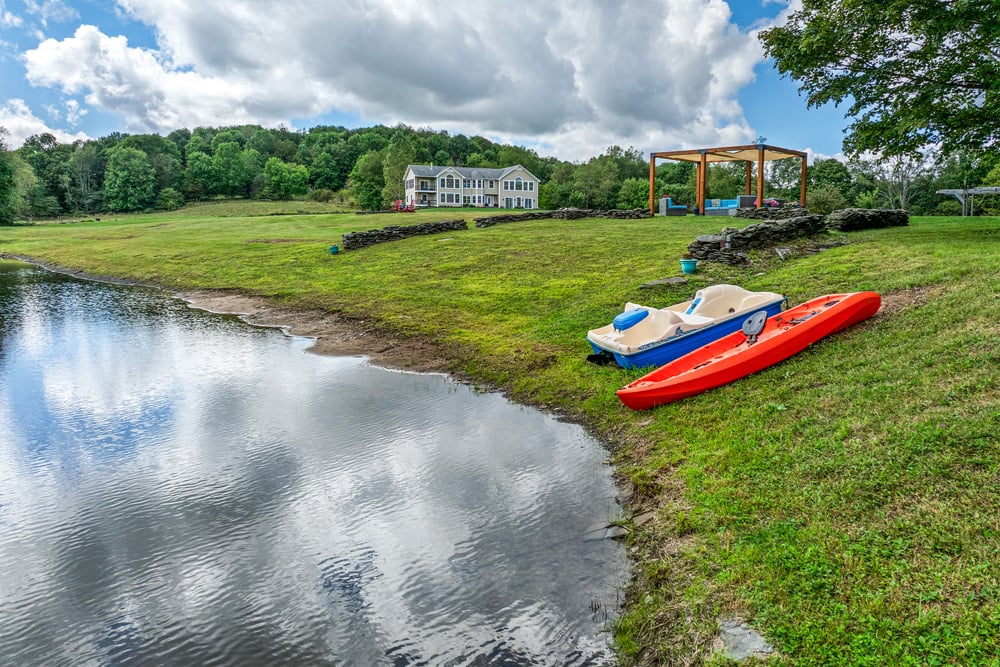
In the Catskills, water features are not all the same. Drive almost anywhere in Delaware, Ulster, Greene, or Otsego County and you’ll find water....
{% video_player "embed_player" overrideable=False, type='hsvideo2', hide_playlist=True, viral_sharing=False, embed_button=False, autoplay=False,...
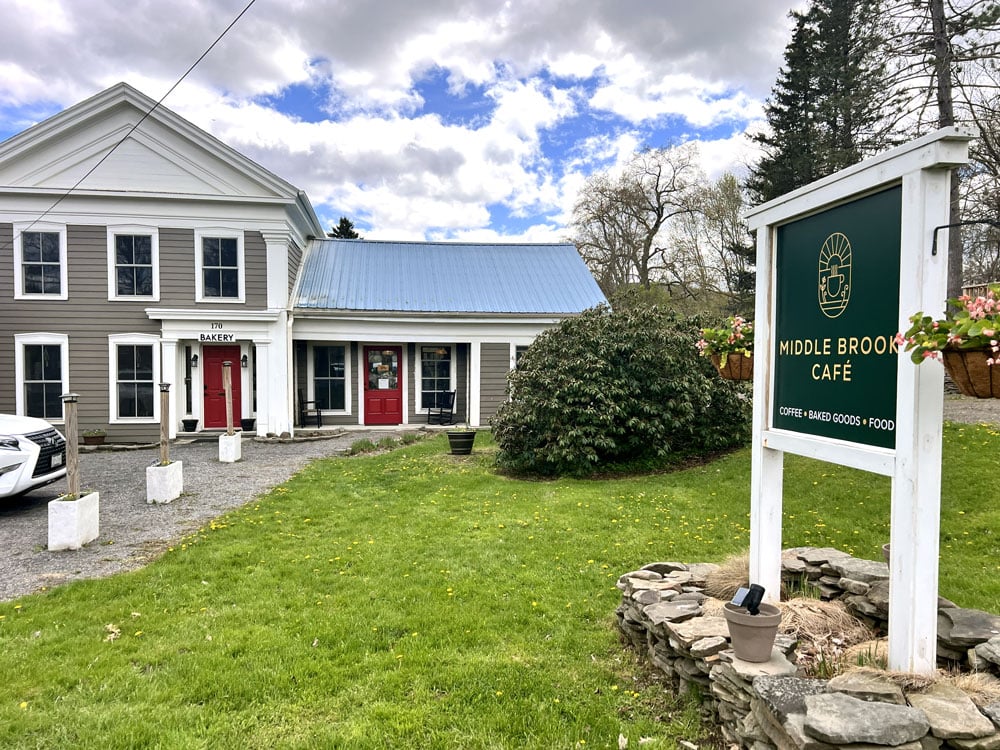
Middle Brook Cafe just opened in Jefferson, NY. Owners Kim Tom and Dan Berke are serving rich coffee, handmade pastries, and a cozy place to linger.
In the Catskills, great water is rarer than it looks. Learn what makes a private pond, beach, or swim-ready water feature genuinely valuable — and...
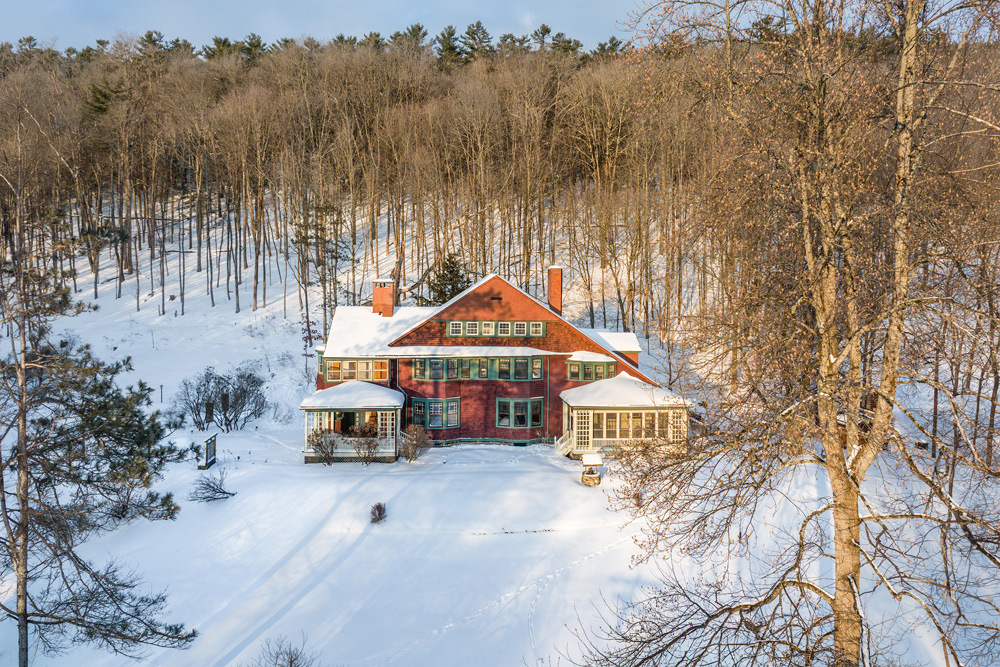
Explore the rich history and architectural beauty of 6 Westridge Road, a stunning American Shingle Style estate in Cooperstown, NY, and its potential...